Psilocybin and psilocin, the active compounds in magic mushrooms and truffles, are listed in Schedule I of the 1971 UN Convention on Psychotropic Substances. The mushrooms themselves are not named in the treaty, which is why countries handle them in very different ways.
Europe
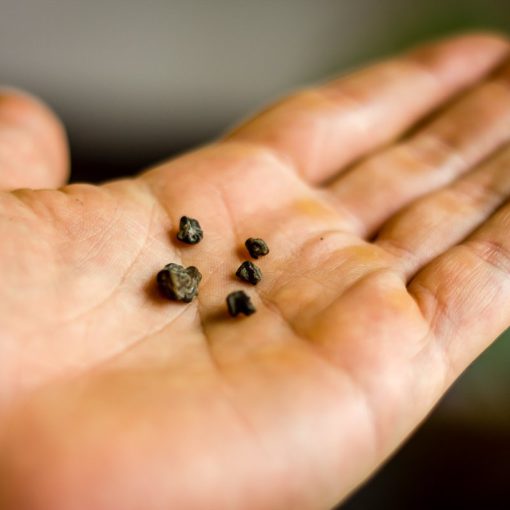
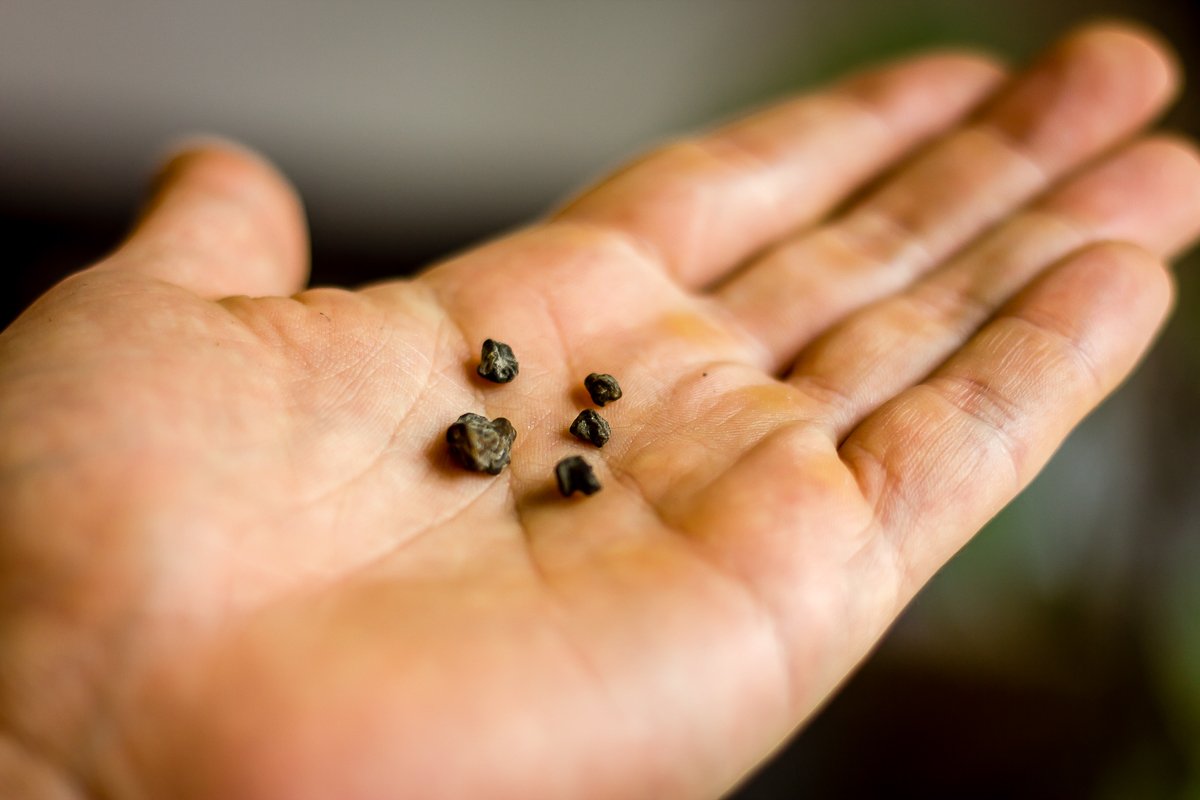
- Netherlands: fresh and dried mushrooms have been banned since 1 December 2008. Truffles (sclerotia) were not included in the ban and are sold legally in smartshops.
- United Kingdom: fresh and prepared mushrooms became Class A drugs in July 2005.
- Belgium: cultivation has been prohibited for a long time, and possession and sale have been banned since 1998.
- Germany: possession of psilocybin mushrooms is illegal, although a small number of clinics may use psilocybin under compassionate-use rules for treatment-resistant depression.
- Portugal: possession of small amounts of any drug for personal use has been decriminalised since 2001; selling remains illegal.
- Czech Republic: since 1 January 2026, psilocybin may be used medically in supervised psychiatric treatment.
Elsewhere
- United States: psilocybin is illegal under federal law. Oregon (2020) and Colorado (2022) voted for regulated, supervised psilocybin services, and several cities have made enforcement a low priority.
- Canada: psilocybin is illegal, but Health Canada has granted individual exemptions since 2020, mainly for people at the end of life.
- Australia: since 1 July 2023, specially authorised psychiatrists may prescribe psilocybin for treatment-resistant depression.
- Jamaica: psilocybin mushrooms were never made illegal and are sold openly, including at retreats.
- Brazil: only the isolated compounds are prohibited, not the mushrooms.
What this means for you
Being legal in the Netherlands does not make truffles legal in your own country. Please check your local law before you order or travel with them.
Source: Wikipedia: Legal status of psilocybin mushrooms (checked October 2026). Summarised in our own words.
This article is for general information only and is not medical or legal advice. Laws differ by country and change over time; check the rules where you live.