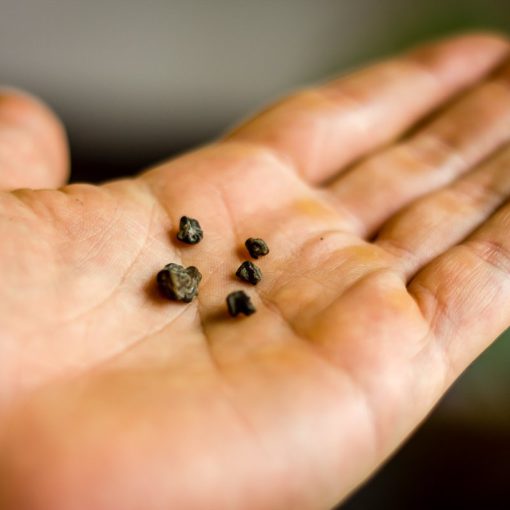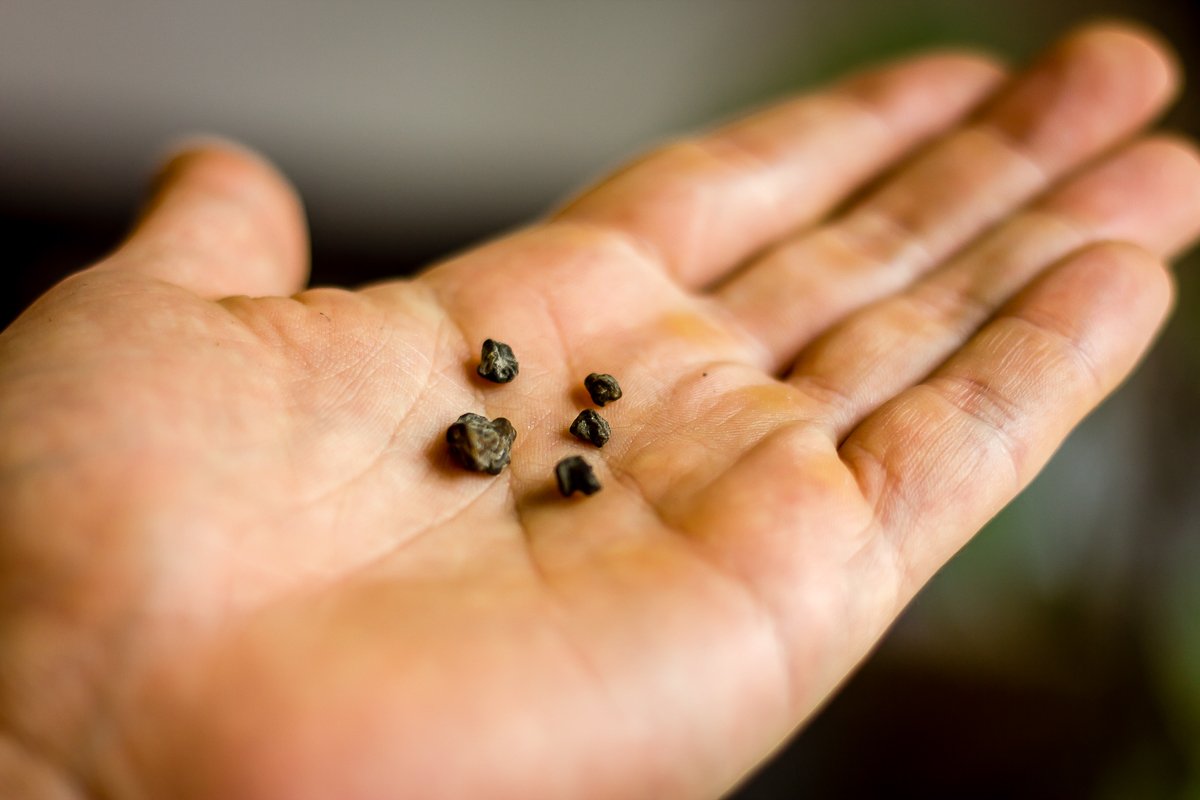
Microdosing means taking a very small, sub-perceptual amount of a substance, usually a psychedelic such as psilocybin or LSD. The goal is not a trip, but a subtle effect that does not get in the way of daily life.
Where the term comes from
In pharmacology, a microdose is a tiny amount of a drug used to study how the body processes it. In the psychedelic world, the term goes back to around 1980. Interest grew strongly after psychologist James Fadiman wrote about it in 2011, and later after mycologist Paul Stamets described his own schedule.
What research says so far
Many people report a better mood, focus or creativity, but research gives a mixed picture. In a large self-blinding study led by Imperial College London (published in 2021), participants who took microdoses did report improvements, but so did the group that unknowingly took placebo capsules. That suggests expectations explain a large part of the effect. Other studies found no clear improvement in attention or problem-solving.
Things to keep in mind
- Long-term effects of frequent microdosing have hardly been studied. Researchers have raised theoretical concerns about the heart when certain serotonin receptors are stimulated over long periods, so regular breaks are sensible.
- Do not combine microdosing with antidepressants, lithium or other medication without talking to a doctor.
- It is not suitable during pregnancy or for people with a personal or family history of psychosis or bipolar disorder.
Source: Wikipedia: Microdosing (checked October 2026). Summarised in our own words.
This article is for general information only and is not medical or legal advice. Laws differ by country and change over time; check the rules where you live.