The Netherlands is known for its pragmatic drug policy. Officially most drugs are illegal, but the government has long focused on harm reduction rather than punishing users.
The Opium Act and the tolerance policy
The Dutch Opium Act divides drugs into two lists: List I for drugs with an unacceptable risk (such as heroin, cocaine and ecstasy) and List II for soft drugs such as cannabis. Under the tolerance policy (gedoogbeleid), people are not prosecuted for small amounts of cannabis for personal use, and licensed coffeeshops may sell it under strict conditions such as a minimum age of 18.
The 2008 mushroom ban
After incidents involving tourists in 2007, the government decided to ban magic mushrooms. The ban took effect on 1 December 2008 and covers fresh and dried mushrooms.
Why truffles stayed legal
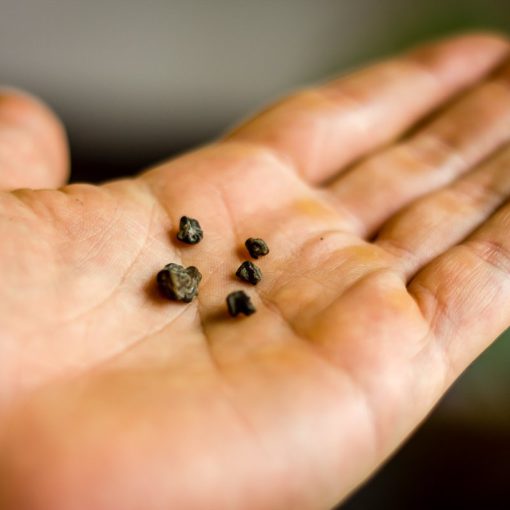
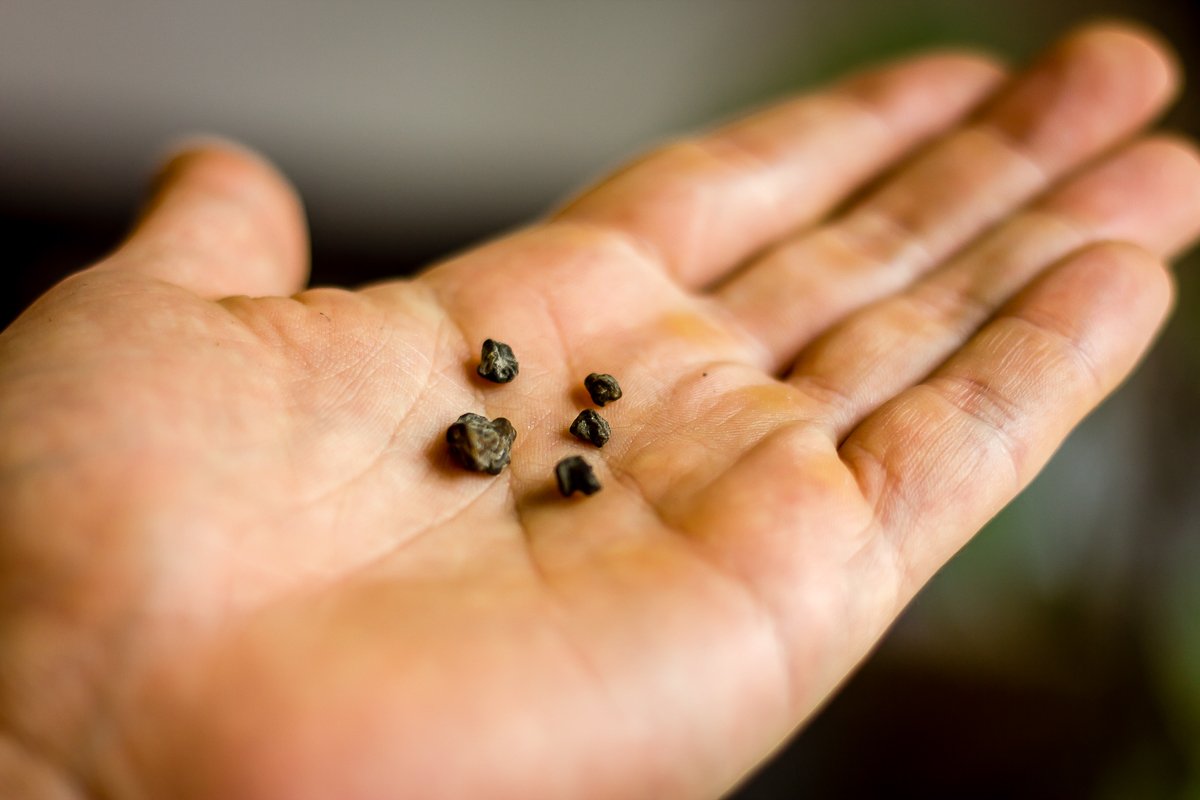
The ban names specific mushroom species, but not their sclerotia: the underground structures known as magic truffles. Spores and grow kits also fall outside it. That is why truffles are still sold legally in Dutch smartshops and online by Dutch sellers.
Recent developments
In December 2023 a trial started in Breda and Tilburg in which coffeeshops buy cannabis from licensed growers, and in 2024 a state committee advised making MDMA-assisted therapy possible. The policy keeps evolving, so it is worth following the news.
Source: Wikipedia: Drug policy of the Netherlands (checked October 2026). Summarised in our own words.
This article is for general information only and is not medical or legal advice. Laws differ by country and change over time; check the rules where you live.